What is a Self‑Help Notice for a Land Boundary Dispute?
A self‑help notice is a formal, written communication that a landowner sends to a neighbour when there is a disagreement over the exact position of a property line. In India, the notice is a prerequisite before approaching the civil courts for a boundary adjudication, and it helps both parties explore an amicable settlement.
When Should You Consider Sending a Notice?
Before filing any court petition, you should send a self‑help notice if:
- You have discovered an encroachment or a shift in the boundary marker.
- The neighbour refuses to acknowledge the correct survey measurement.
- You want a documented record of your attempt to resolve the issue.
Sending the notice also safeguards you from claims that you acted without giving the other party a chance to respond.
Step‑by‑Step Process to Draft and Serve the Notice
1. Gather Essential Documents
Collect the following papers before you start drafting:
- Title deed or sale deed showing your ownership.
- Latest revenue record (Jamabandi) or mutation entry that indicates the recorded boundaries.
- Survey report or map prepared by a licensed surveyor.
- Photographs or videos of the disputed line and any physical markers.
2. Verify the Exact Boundary
Hire a licensed surveyor to re‑measure the boundary. The surveyor will provide a written report with coordinates or a plotted map. This report becomes the factual basis of your notice.
3. Draft the Notice
Include the following sections in clear, simple language:
- Heading: “Self‑Help Notice for Land Boundary Dispute”.
- Parties: Full name, address, and relationship (owner, co‑owner) of both the sender and the recipient.
- Property Details: Description of the land (survey number, village, district), and a brief history of ownership.
- Disputed Boundary Description: Cite the survey report, mention specific landmarks, and attach a copy of the map.
- Relief Sought: State that you request the neighbour to stop any further encroachment, remove any structures built beyond the line, and cooperate for a mutual settlement.
- Time Frame: Give a reasonable period (usually 15‑30 days) to respond.
- Consequences of Non‑Compliance: Mention that, if there is no response, you may approach the civil court for a declaration of ownership and an injunction.
- Signature: Your handwritten signature and date.
Attach copies of the title deed, survey report, and photographs as annexures. Keep the original notice for your records.
4. Choose a Delivery Method
Indian law recognises several modes of service:
- Registered post with acknowledgment due (A.D.) – provides a receipt signed by the recipient.
- Speed post with return receipt – faster but equally valid.
- Personal service by a registered courier – the courier’s delivery note serves as proof.
Avoid informal methods like email or WhatsApp unless you also have a hard‑copy delivery that can be proved in court.
5. Preserve Proof of Service
After the notice is delivered, retain the following:
- Signed acknowledgment receipt or courier delivery note.
- Photocopy of the sent notice (including annexures).
- Record of the date and method of service.
These documents will be crucial if you later file a suit for partition or injunction.
6. Follow Up After the Notice Period
If the neighbour replies positively, you can negotiate a settlement, such as a mutual agreement on the boundary or a compensation arrangement. If there is no response or the reply is unsatisfactory, you may file a civil suit under Order 38 of the CPC, attaching the notice and proof of service as evidence.
Typical Costs Involved
The expenses vary by state and the complexity of the dispute, but the main cost components are:
- Surveyor fee: ₹2,000‑₹10,000 depending on the area and expertise.
- Drafting and notarisation (optional): ₹500‑₹1,500.
- Postage or courier charges: ₹100‑₹500 for registered delivery.
- Legal filing fee (if the matter proceeds to court): Usually a percentage of the property’s market value, often 1‑2% of the suit amount.
Overall, the initial outlay for sending a self‑help notice typically ranges between ₹3,000 and ₹12,000.
Key Points to Remember
- Always base the notice on a professional survey report; assumptions can weaken your case.
- Use a delivery method that gives you a tangible receipt of service.
- Keep a chronological file of all documents, communications, and receipts.
- The notice is not a court order, but it demonstrates your willingness to resolve the matter amicably, which courts view favorably.
By following these steps, a landowner can formally assert their rights, encourage a settlement, and lay a solid foundation for any future legal action.
This article provides general information and does not constitute legal advice.
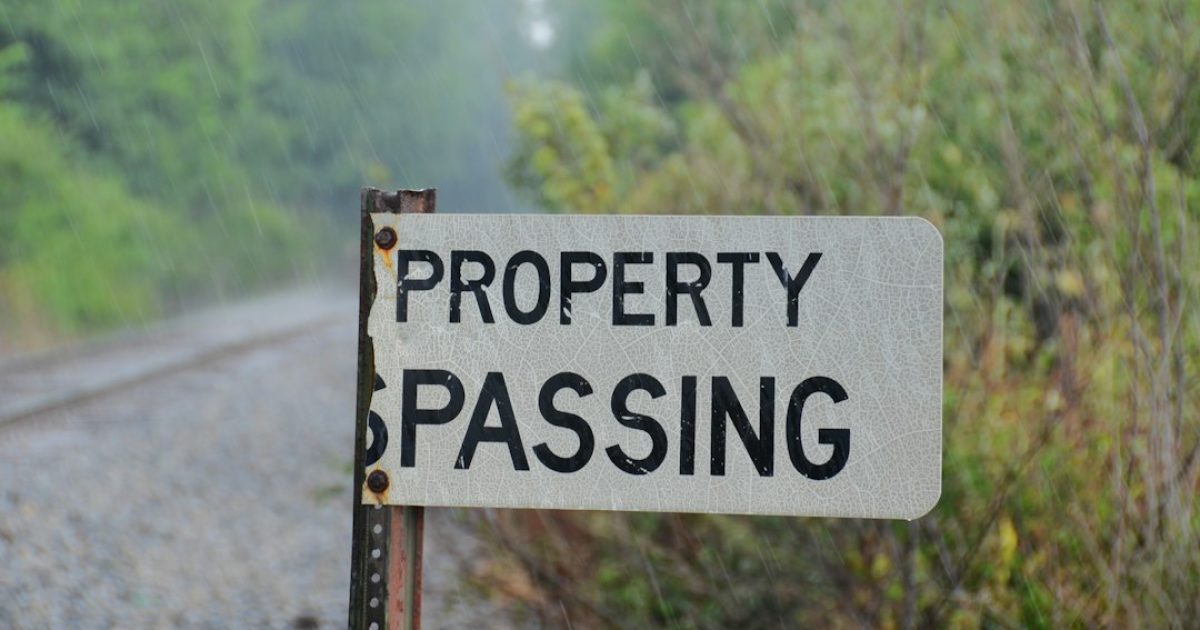
Photo by Roger Starnes Sr on Unsplash